
Originally published in The Game Narrative Kaleidoscope—a book by Inkle Studio, collated by Jon Ingold. It features over 100 essays by veterans to enthusiasts of game writing (including professionals who worked in games such as Prince of Persia, Control, Assassin’s Creed, Call of Duty and Baldur’s Gate 3). The book is available for purchase in physical and digital formats through this website, also running a podcast series featuring the book’s participants. [Clique aqui para ler a versão em Português.]
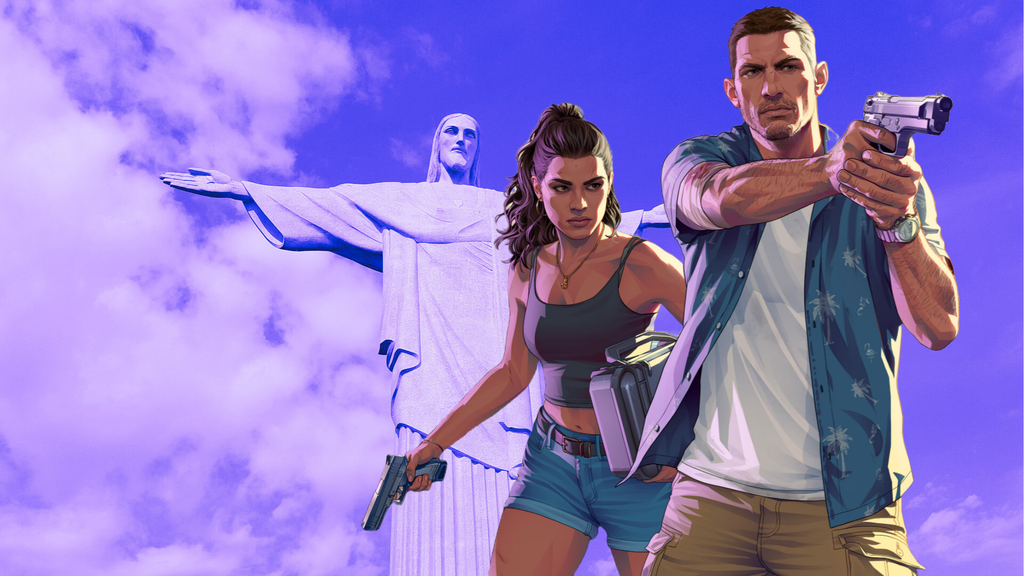
Living in the Global South (I’ve replied “come to Brazil!” to many favorite bands’ tour announcements on social media, I admit) means constant exposure to many kinds of foreign influence in media and culture; some are more pervasive than others—from Hollywood movies and TV shows to K-pop. That also means I’ve seen an unhealthy amount of aspiring developers promoting their game as “the Brazilian Grand Theft Auto.”
Striking a balance between staying true to references to your local culture and customs without alienating potential audiences, all while creating stories that resonate with people from other countries without watering things down, is a challenge writers might face on a daily basis. There are many ways of pulling that off, but that doesn’t mean it’s an easy endeavor all the time.
Replacing Liberty City with Rio de Janeiro is not enough
So when a developer for an up-and-coming region tries their hand at creating a brand new video game, it’s not unusual to get feedback about how they should portray their country’s actual culture and customs—rather than piggybacking on whatever comes to your screen from a land far, far away. As a friend once said, it’s hard to support budding Brazilian writers on platforms like Wattpad when their stories are about the Irish countryside, starring a red-haired young lady in a convertible.
Let’s take the figure of the Yara. One of the most popular origin stories for this legend of the Tupi-Guaraní people tells the tale of a skillful young woman warrior who, targeted by the jealousy of her brothers, gets murdered. After her body is disposed of in the river, she is resurrected by the merciful moon goddess Jaci. To everyone’s surprise, Yara returns in a new, fantastical form: she’s now a beautiful half-woman, half-fish, who eventually lures men to a watery demise. Sounds familiar?
A fish-lady by any other name
Consider that the aquatic variety of the siren from Greek mythology might not even be the first instance of that type of mythical creature—and region-specific details aside, it does share mental real estate with mermaids, selkies, rusalkas, and… I’d be surprised if this list didn’t go on forever. And I’m aware of how easy this example goes. In all fairness, identifying thematic echoes elsewhere while developing creative work is just another Tuesday for writers everywhere. But what if certain concepts prove too exotic or unusual for foreign players?
Vocal proponents of anti-colonialism might choose to keep things as pure as possible, without over-explaining things for foreign eyes. After all, if works from omnipresent cultural sources don’t go out of their way to spell things out for other countries, then why should we accommodate for the rest of the world? Or, as a fellow dev once told me, “let the gringos fend for themselves.” In itself, it’s a stance I respect.
(Heads up: calling any foreigner a “gringo” or “gringa” is commonplace in Brazil, and whether it is meant to be endearing or derogatory is entirely reliant on context).
Nice first idea; now, forget it ever existed
On the other hand, this approach might backfire in local markets. Jaded audiences might roll their eyes, complaining about how lazy these devs were by seemingly picking the low-hanging fruit; that they’re trying too hard to overstate their Brazilian-ness. And, as an unfortunate side effect, good games that follow that line of thought risk getting tossed aside due to reactionary cynicism taking hold. Is there no winning in this scenario?
As an analogy from comedy writing, discarding your first idea usually gets you rid of that knee-jerk reaction everyone else and their respective grandmas had. The same goes for adapting children-oriented works into horror as soon as its public domain clock strikes midnight. The sooner you realize you can go above and beyond the expected, the better.
Be sure you’re able to achieve your goals while dodging stereotypes and predictability—such a liberating feeling! There are myriad ways of exploring and expanding—and lots of room to deliver experiences that recognize and portray your desired references without resorting to the obvious choices. Any concept you pursue benefits from some more thought and care before flicking the switch.
Dive deeper into the possibilities of adapting the source material’s elements into characters and stories that could work anywhere, no previous knowledge required. Distilling what makes certain stories and characters work across different backgrounds is paramount, no matter if you’re writing a torrid romance, an underdog story, or a lesson in revenge. Or maybe all three at once, who knows?
Any story in the world has the ingredients to work elsewhere as a new one. So, what are you waiting for? Grab your grandma’s recipe, twist it around, and surprise both your neighbors and folks around the globe. The world’s your restaurant!